When I first planned a trip to the Gili Islands, I was more focused on sunsets, snorkeling, and coconuts on the beach than I was on safety. You know how it is—Lombok and the Gilis feel like paradise, and the last thing you want to think about is something going wrong. But after a small accident involving a bike (yes, those cute no-engine island bikes), I realized how important it is to have fast and reliable help nearby.
The good news? Help is available—and it’s better organized than most people think.
A Unique Island Experience Needs Unique Support
The Gili Islands—especially Gili Trawangan, Gili Air, and Gili Meno—offer a one-of-a-kind travel experience. No motorbikes, no cars, just sandy roads and turquoise waters. It’s chill, it’s fun, and it’s freeing. But that also means things work a little differently compared to Bali or mainland Lombok.
If you twist an ankle, get food poisoning, or worse—have a diving accident—you don’t want to waste time figuring out what to do or who to call.
That’s where local emergency response becomes essential.
Why It Matters More Than You Think
It’s easy to underestimate how common minor (or major) emergencies are on holiday. Maybe your partner gets a bad jellyfish sting, or your kid takes a tumble off the paddleboard. These aren’t rare occurrences on tropical islands with lots of adventure activities.
Even something like sunstroke or dehydration can hit hard when you’re out exploring under the intense Lombok sun all day. That’s why it gives peace of mind knowing there’s a trained local response team ready to assist in real time.
What Sets Gili Trawangan Apart
Among the three islands, Gili Trawangan is the most developed—and also sees the most traffic. That’s great for nightlife and restaurants, but it also means the need for organized medical support is higher.
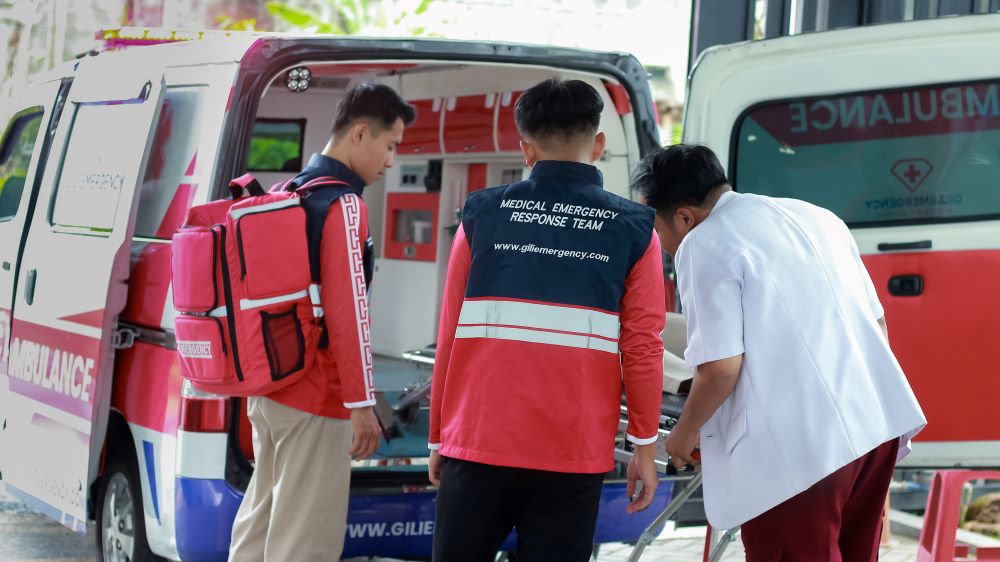
Here’s the part most people don’t realize: Gili Trawangan has a dedicated medical and emergency support team that operates professionally and with clear procedures. Whether it’s a minor injury or something that needs quick evacuation to Lombok or Bali, having that network in place makes a world of difference.
This isn’t about scaring anyone—it’s about feeling safe so you can relax and enjoy every moment of your island escape.
My Personal Experience (And Why It Changed How I Travel)
The bike crash I mentioned earlier wasn’t dramatic—just a misjudged turn on a sandy path. But the way it was handled? That impressed me. A quick call, a calm response, and I was being checked out by someone who actually knew what they were doing.
After that, I started recommending friends and fellow travelers to look into local support services before heading to the Gilis, not after something goes wrong.
Gili T emergency response teams like the one I encountered are trained not only for injuries but also for diving-related incidents, heatstroke, allergic reactions, and quick coordination if evacuation to mainland hospitals is needed. That kind of preparedness isn’t something you want to overlook when you’re on a remote island.
And the best part? They’re locals. They know the island like the back of their hand, speak both English and Indonesian, and actually care. That human touch makes a huge difference when you’re not feeling your best.
Travel Safe, Travel Smart
Whether you’re staying in a beachside villa in Gili Meno, hopping cafés in Gili Air, or going full party-mode on Gili T, being prepared is never a bad idea. Add the local emergency number to your phone, check where the closest response clinic is, and let someone know where you’re staying—especially if you’re traveling solo.
More importantly, take a few minutes to learn about the support available around you. It might seem like a small thing, but it’s the kind of decision that can completely shift how you handle unexpected moments while on holiday.
Having reliable island emergency care, accessible urgent treatment, and rapid-response medical teams on standby is what makes travel on the Gilis safer, especially for families and adventure-seekers.
Because in the end, the only stories we want from Gili are about epic sunsets, diving with turtles, and laughing over fresh seafood—not panic and confusion.
So yeah—pack your sunblock, bring your snorkel gear, but don’t forget your peace of mind.
These islands may feel far away from it all—but thanks to people who care and systems that work, you’re never truly alone when you need help.